
The Talking Circle
A Gloria Steinem tradition fills the gap in women's healthcare.

I’m a talker. And a fast one.
Years ago an advisor told me that our recorded conversation didn’t transcribe properly because I exceeded the word-per-minute allowance. The technology has since sped up but I haven’t slowed down.
As a former CMO and now as a health strategist and educator, it’s not only my job to speak in public. Most of the time I’m expected to lead the discussion.
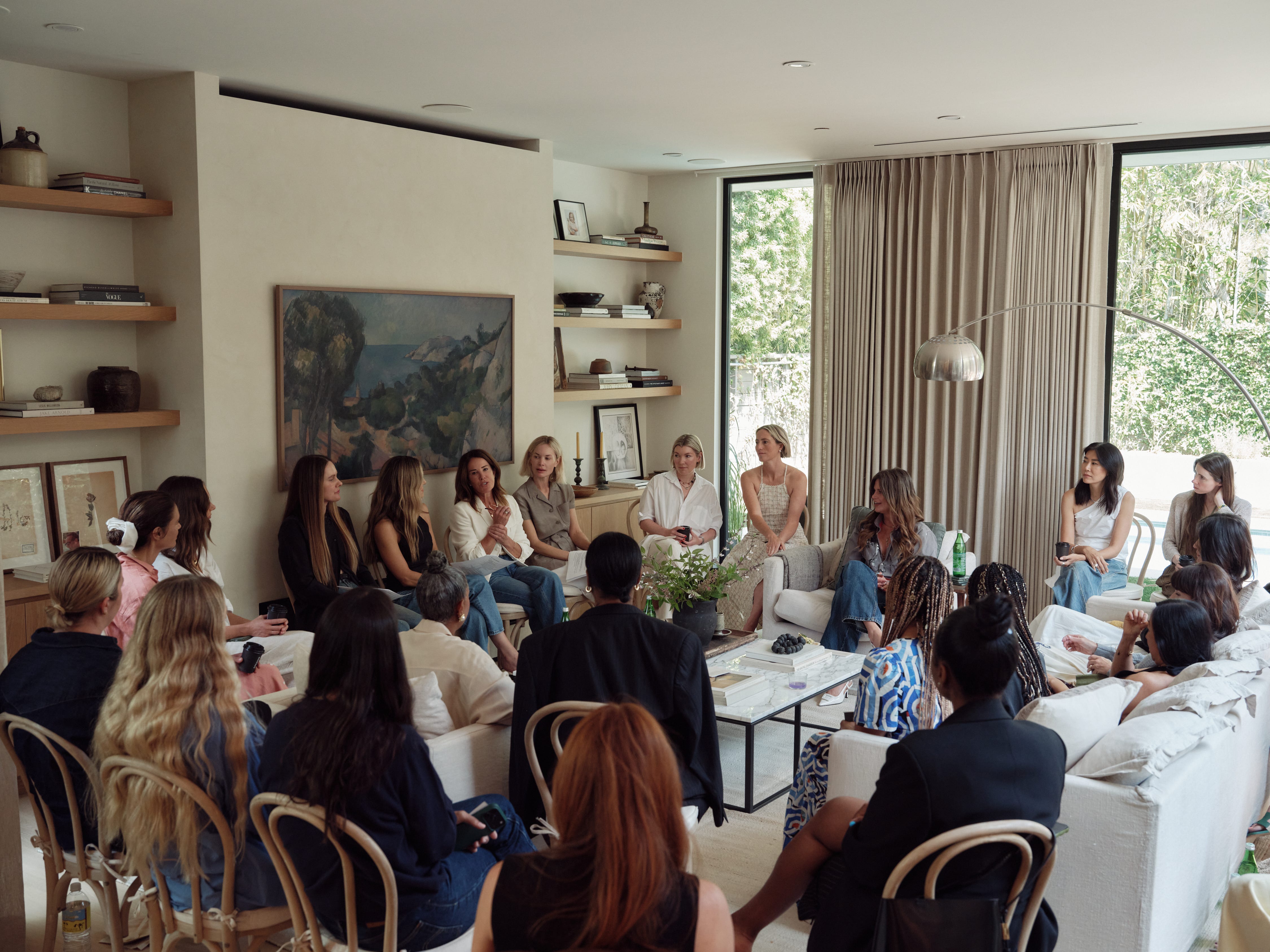
So last Thursday, when I was invited to a talking circle hosted by Alex Taylor of Perelel, Sacha Strebe and Kate Parfet, I happily said yes.
The format was inspired by Gloria Steinem, who has hosted over fifty of these intimate gatherings through her foundation since 2022. Ours focused on perimenopause, a topic we can’t seem to escape or stop talking about.
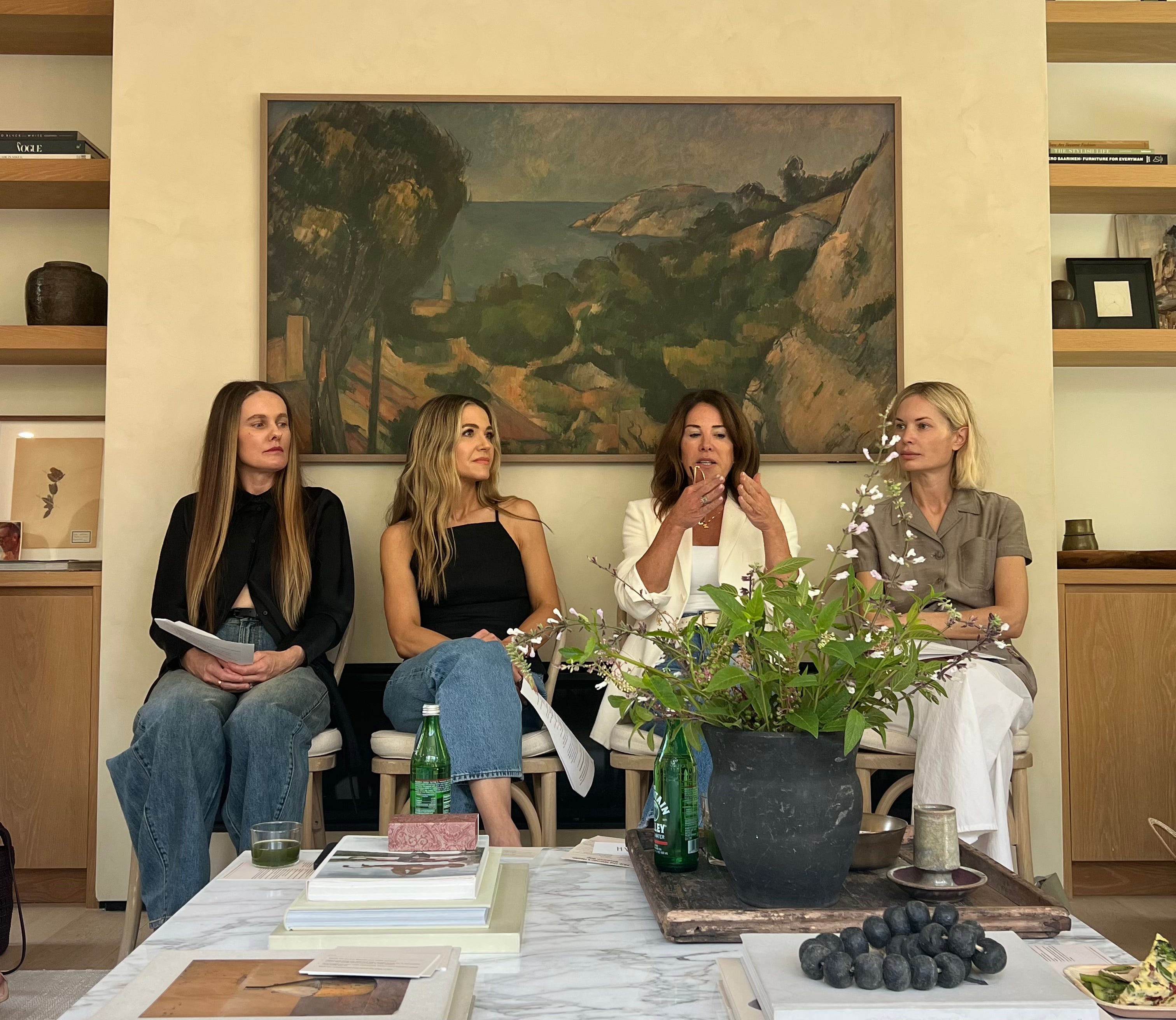
The shares from the group were funny, frustrated, joyful and brave. No matter how many times I’ve sat in a circle of women, our ability to drop in and go deep still amazes me.
In my work in women’s midlife health, I’ve gotten more comfortable speaking to a class, on a panel and even in a debate. But the skill I’m committed to improving is my ability to listen and really hear what’s being shared. To understand the meaning behind the words and through the emotion.
I came in to listen and left having needed the room as much as anyone in it.
This is one of the biggest gaps in our care: whether anyone is really hearing us. Doctors are expected to hold our deepest fears and weather our frustration inside a system that constrains them with time, insurance codes and, sadly, a lack of education.
I’ve often referred to our female friends, and even a network of strangers as a “sisterhood of first responders.” Experiencing the collective grief, joy and hope of the circle reminded me how much it matters to both have a voice and hold the space for someone else’s.
We expect the exam room to do 3 things for us — hear us, teach us and treat us. On a good day, it does one. So we go in search of the support we need in other places like a circle, a cohort or a newsletter. We’ve gotten very good at assembling our own care, because we’ve had to.
Which brings me to why I write this newsletter at all. To bring you what I learned from physicians, practitioners and experts I’m lucky enough to sit with. To deliver the “health intelligence” that helps you make smarter decisions on where to channel your time, effort and money.
So this week I’m going to listen. I’m putting together a guide to help fill this gap based on where you need the most support.
On hormones and healthspan: what’s the one question no one has answered for you? The thing you wish someone would finally explain. Comment below!
Reform may be on the table but we have a long way to go. Until then, women will do what we do best: share what we know and build the support we need. One circle at a time.
xCelia
I’m working on a guide all about hormones and healthspan. Tell me in the comments what questions you have and where you need support. Finding a doctor? Understanding HRT? Which tests and scans you need for preventative care? Comment below!
More Resources
Support Community: Gloria’s Foundation
Fund Research: the Perelel Pledge (committed to $10M to fund women’s health to close the research gap)
Shop Perelel: I recommend the Perimenopause Support Pack and Triple Support Protein Powder (with creatine)
I loved having you there! my question is: Is the best strategy for HRT to do a mix of patches vs creams vs pills. Or are pellets the right path? Heard mixed things on both fronts. It also seems like we are still very reliant on how women are feeling on these options mixed with blood tests, but it's still very much an experiment and mood based.
Great question! ❤️
I’ve read many mixed opinions on estrogen dominance and am curious on the research that you’ve come across? Causes, strategies to improve balance etc. TY