
Pleasure as a Practice
An experiment in training your senses to register joy — on purpose.

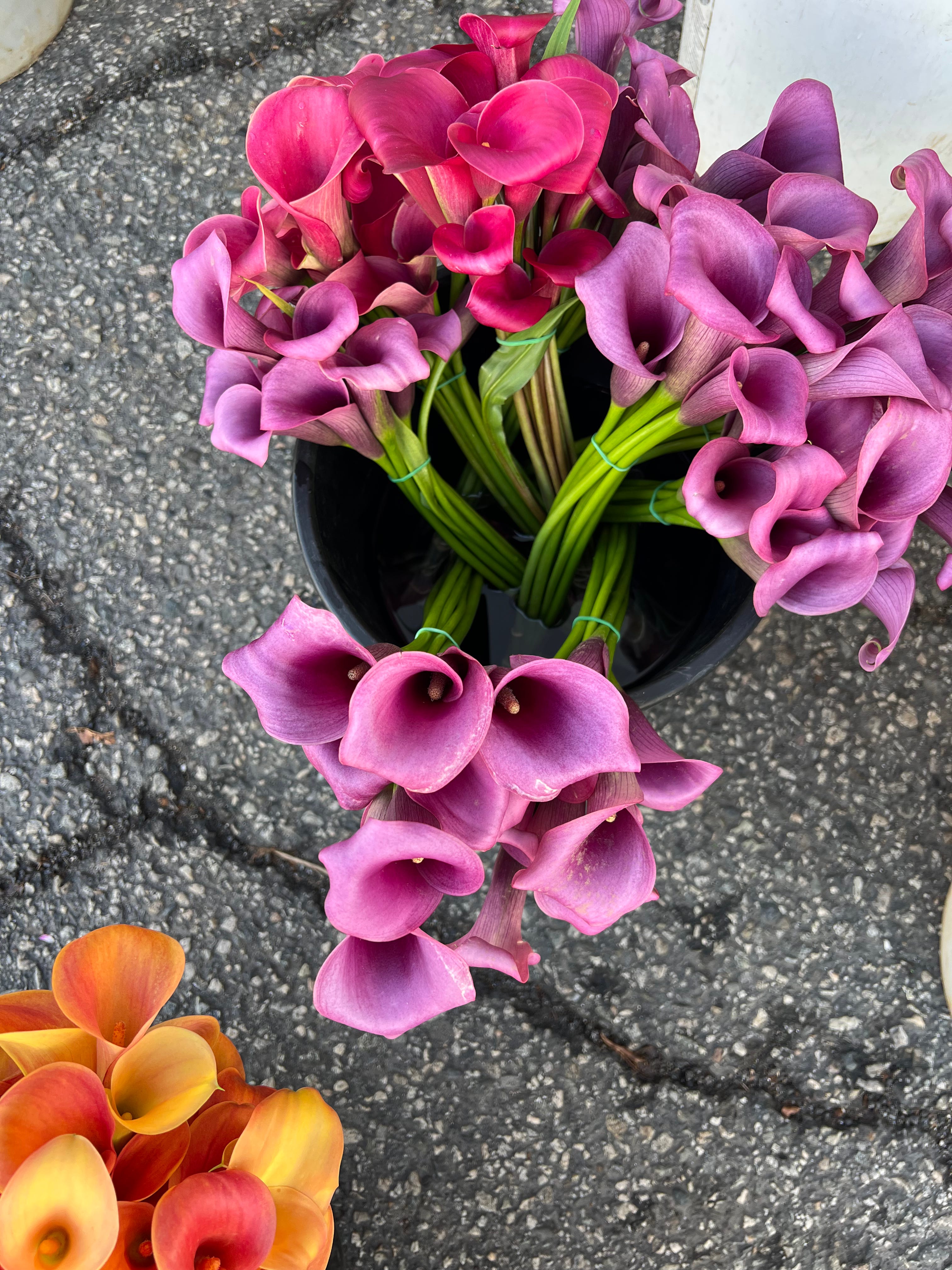
A few years ago, I decided to run a little experiment.
What would happen if I cultivated pleasure on a daily basis — on purpose?
Not as a reward or indulgence but as an intentional practice. For an entire year.
Needless to say, I enjoyed myself tremendously. [read more]
But what surprised me most wasn’t the intimate moments. It was that all of my senses became more attuned. Food tasted better. Sunsets felt more dimensional. Songs landed with more emotional charge. Everything became more beautiful.
By comparison, when I lived in New York, pleasure had to be loud to register. Feeling alive meant the highs needed to be really high — otherwise the baseline felt flat.
I was on a constant rollercoaster.
I felt amazing when I landed a big client, went to an epic party or did something outrageous that my very social, high-pressure job required of me. But the time after the peak experience sometimes felt dull.
Pleasure was attached to intensity. And, it was something that had to be earned.
Looking back, I can say it wasn’t all bad (actually much of it was quite fun) but it was difficult to sustain and over time wore down my health. The result was a chronically activated nervous system, running on dopamine, fueled by novelty and pursuit.
My intentional year of pleasure was much different. It was less about the big moments but rather all of the small ones.
What was once a pleasure spike became an electric current.
After somatic therapy helped me get back into my body, my nervous system began to feel more stable. And, with that, sensations started to register in calmer, more subtle ways.
This had a profound impact on my health, and my life.
When you slow down and really embody sensory input, you have access to all of the colors in the coloring box. Life becomes more expansive and vibrant.
Today’s political and economic climate can make it challenging to seek out pleasurable moments. But noticing joy creates more joy because our brains are prediction machines. They strengthen the circuits they use most often.
So the question becomes: Do we want to scan our environment for fear or threat or for something more uplifting?
The reward system doesn’t just respond to pleasure, it learns from it. When you consciously notice something pleasurable — as I did for a full year — you teach your brain what’s worth seeking again.
Neuroscientist Kent Berridge makes an important distinction between liking (the felt pleasure) and wanting (the motivation to pursue). When you slow down enough to actually feel pleasure, you strengthen both.
That’s why pleasure begets pleasure.
Left to its own devices, the brain has a negativity bias. Threat sticks more easily than delight so we need to guide it.
Psychologist Rick Hanson1 describes this as the brain being like Velcro for negative experiences and Teflon for positive ones. Positive experiences need a little extra attention to “stick.”
When you pause to name pleasure — this feels good — you help that experience consolidate into memory. Over time, the brain begins to scan for similar moments automatically.
What you look for, you find. What you feel deeply, you repeat.
Be Intentional About Cultivating Pleasure
After experiencing how deeply this changed my own life, I now see cultivating pleasure as a skill that can be practiced. These are gentle ways to activate the senses so the body learns what pleasure feels like — and how to find it again.
1. Slow down long enough to let sensation land
Pleasure needs a few extra seconds. Register the feeling from the warmth, flavor or color so the body can recognize it.
2. Reduce digital noise that overwhelms
Constant scrolling floods dopamine pathways with novelty. Quiet restores your ability to feel subtle reward from taste, texture and smell.
3. Let nature stimulate your senses directly
Birds chirping, waves crashing, light changing. These experiences are sensorially rich.
4. Make a pretty plate
Take a moment to make your meal colorful and beautiful. Visual pleasure enhances taste. Slowly savoring your food increases enjoyment.
5. Use touch to trigger oxytocin
The simple ritual of massaging body oil on your skin after a warm bath. A long hug with your partner. Petting an animal. Gentle touch tells the body it’s safe.
Absolutely loved reading this!! Such small and easy ways to weave pleasure into every day life.